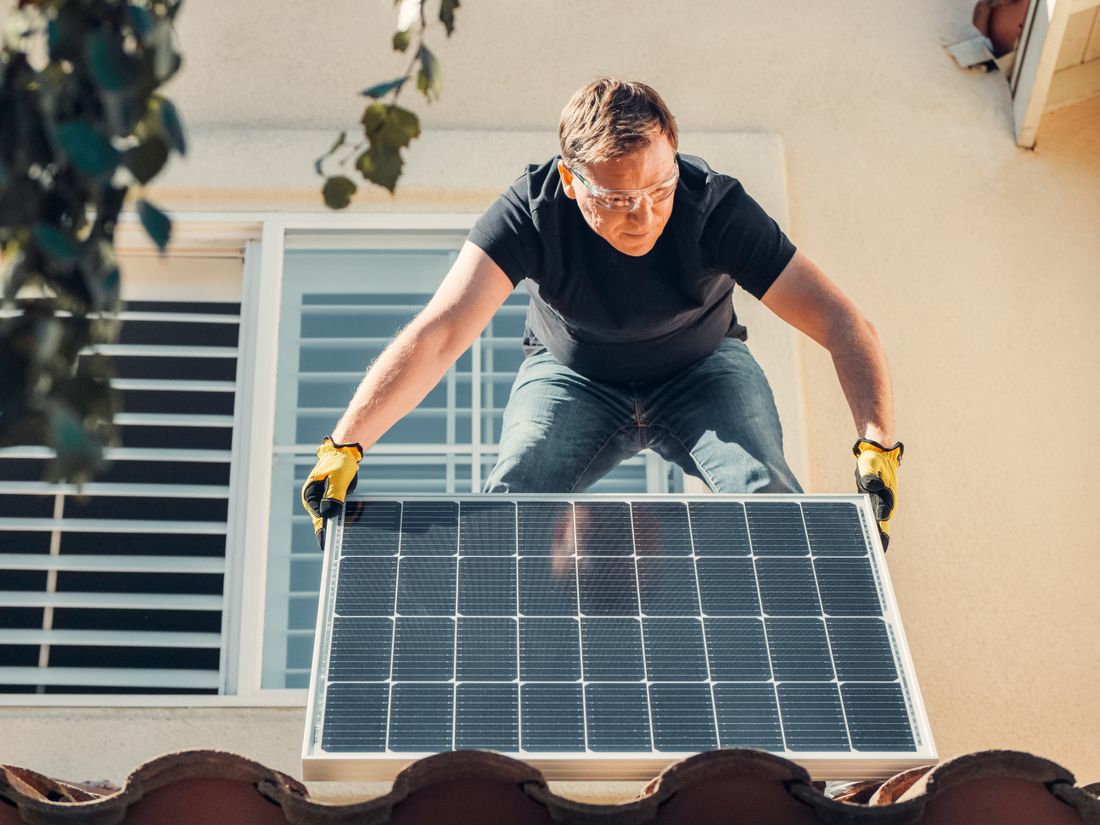
Is plug-in solar legal in Massachusetts?
Bill moving Not yet. A bill (H.5175) is still moving in Massachusetts.
The House and Senate passed different versions; a conference committee was appointed in July 2026. Without a dedicated law, a kit that sends power into your home wiring counts as a grid connection under your utility’s rules for rooftop solar. That usually means an interconnection application, and some utilities charge fees or require a licensed installer.
What you can do today:
- Ask your utility whether it has a simplified process for systems under 1,000 W. A few do.
- Use solar without touching the grid: a power station charged by portable panels is legal everywhere, including in a rental.
- Watch the bill. Massachusetts’s bill is H.5175. We update this page when anything changes.
What a kit would save in Massachusetts
| Kit size | Solar per year | Saved per year |
|---|---|---|
| 400 W | 375 kWh | $97 |
| 800 W | 750 kWh | $194 |
| 1,200 W | 1,125 kWh | $291 |
Panels on a south-facing balcony railing, Massachusetts’s average sunshine (NREL PVWatts, state average), today’s price of 30.5¢/kWh, and 85% of the output used at home. Run it for your ZIP code.
See every state’s plug-in solar status, or electricity prices and other rules in Massachusetts.